


About Course
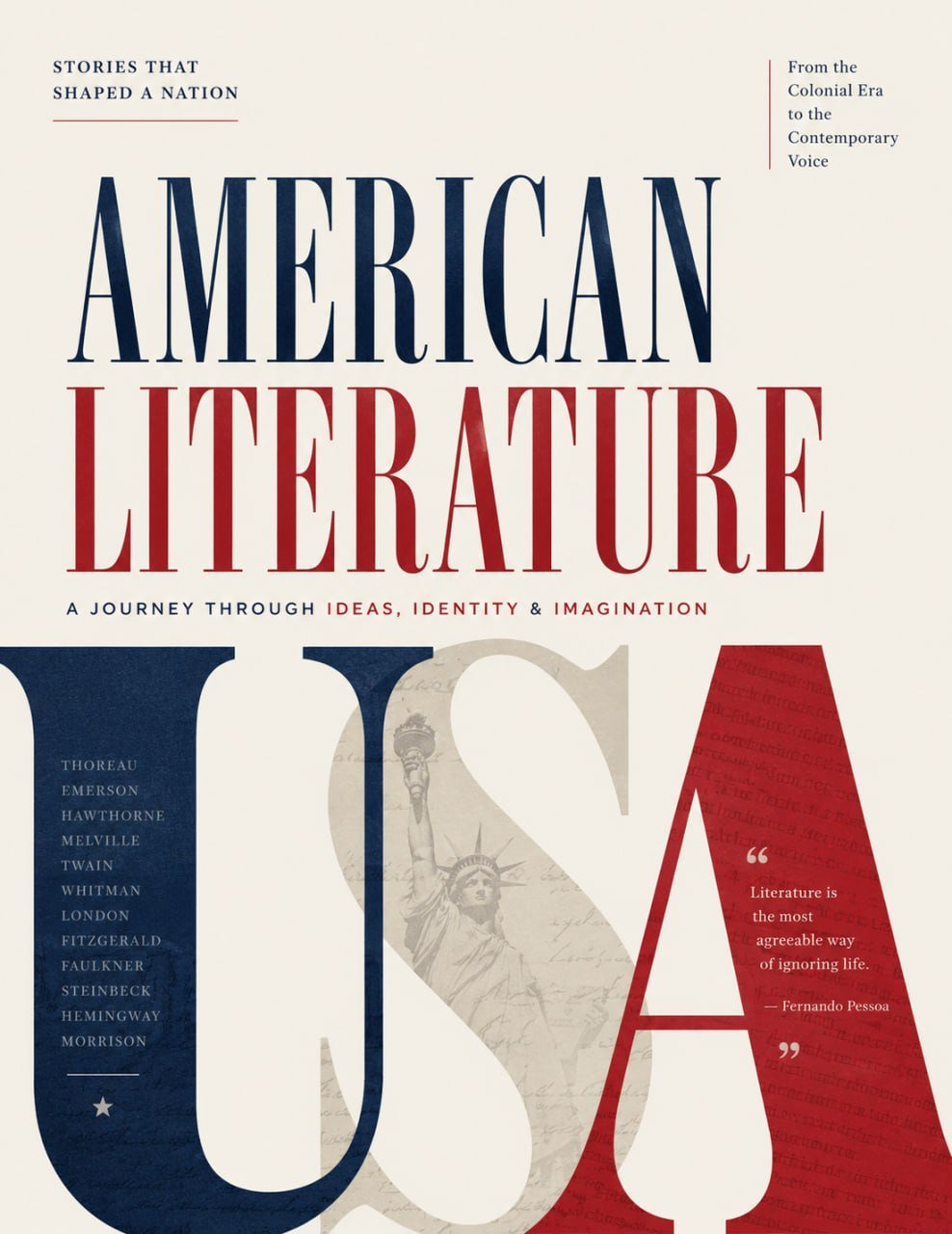
This course explores the earliest foundations of American literature, beginning before European contact and moving through the first written accounts of the continent. Students will examine Native American oral traditions — including creation myths (such as the Iroquois Sky Woman and Navajo Emergence stories), origin stories, migration narratives, sacred chants, and ritual storytelling — as living literary forms that carried history, law, and spiritual meaning through communal performance rather than the written word.
The course also introduces Trickster tales (Coyote, Raven, Nanabozho) as a distinct narrative tradition that used humor and contradiction to teach social values, and contrasts these oral forms with the written exploration narratives of Columbus, Vespucci, Cabeza de Vaca, and John Smith — texts that framed the Americas through a European lens of discovery, resource, and conquest.
By comparing communal, cyclical, nature-centered Indigenous storytelling with the individually authored, linear, land-as-resource perspective of European exploration writing, students gain a foundational understanding of the cultural tensions that shape early American literary history — setting up the following session’s focus on the Colonial Period.
Course Content
American Literature – Class 1 Precolonial
-
American Literature – class 1 Precolonial
00:00
American Literature – class 2 Colonial
American Literature – class 3 Revolution
Student Ratings & Reviews